
The Fabrics Underpinning Righteous Clothing: Comfort Joined By Durability
Before making a purchase, any shopper checking out a righteous review usually poses one question first: what materials make up this clothing? It’s a reasonable question, because the choice of material governs the outcome down the line — how a garment holds its shape after twenty washes, whether it wears thin at the cuffs, how it feels against skin on a humid afternoon versus a cold morning. Righteous clothing has built its identity around this exact concern, treating material selection as the bedrock of the label rather than an afterthought buried within a product description. That approach shows up in the way each piece is constructed, from the yarn used to the finishing techniques applied before a garment ever gets to the customer.
What follows explains what goes into we are righteous apparel, why those choices matter for regular wear, and how the materials stack up against typical fast-fashion alternatives still widespread in 2026. We’ll additionally examine care, durability expectations, and where the righteous hoodie fits into the brand’s overall range. Nothing fluffy, no empty marketing talk — just the concrete facts that help someone figure out whether this brand fits their wardrobe.
Why Fabric Choice Defines a Clothing Brand
Material is the most important factor separating clothing that lasts from clothing that winds up in a donation bin after six months. A low-cost, slack-knit cotton blend might seem comfortable on day one, but it stretches out of shape after a few washes and starts thinning at pressure areas like elbows and underarms. Righteous clothing brand sets itself apart from this pattern, favoring more substantial, tightly knit fabrics that keep from stretching out even with repeated wear. This is more than a promotional line — it speaks to a broader shift in how consumers assess apparel now that fast fashion’s environmental and durability weaknesses righteous t shirt are widely documented.
Fabric weight carries more importance than many buyers assume. Fabric weight is generally measured in grams per square meter (GSM), and garments under 180 GSM often come across as thin and see-through, while anything above 280 GSM begins to seem solid and well-formed. Righteous apparel usually lands in the mid-to-heavy range, which is why customers frequently describe the pieces as feeling “worth the price” rather than flimsy. Heavier fabric also holds its shape through drying cycles, meaning less ironing and less frustration on laundry day.
On top of this, the way material reacts to stretching deserves attention too. Best described as the ability of a garment to snap back to its original shape after being pulled, stretch recovery is a technical property that separates solid essentials from shoddy versions. Since elastane-blended materials, even in small proportions, outperform pure rigid cotton in snapping back, many righteous pieces incorporate blended constructions rather than relying on single-fiber fabrics alone.
Taking a Look Inside the Righteous Hoodie: A Closer Inspection
Not without cause, this righteous hoodie has emerged as something of a flagship item for the label, given that hoodies are demanding when it comes to construction where material quality is concerned.
Within weeks, a poorly constructed hoodie will lose its hood’s shape, see its drawstring tension fade, and pill across the front pocket.
The righteous-hoodie construction is built with a more substantial fleece-back construction, so that the interior is softly brushed while the outer layer remains sturdy and smooth. This dual-layer method is standard in premium streetwear but noticeably absent in lower-cost options.
Ribbing at the cuffs and hem is another detail worth mentioning. Tight, well-stitched ribbing holds a hoodie’s form intact even after repeated wear and washing, averting the loose, sagging appearance that afflicts cheaper garments after just a single season. Under everyday movement — stretching upward or hauling a backpack, say — strengthened seam stitching, especially at the sleeve-body join, reduces the risk of tearing.
Customers writing a we are righteous review often single out the hoodie’s weight and drape as reasons for repeat purchases. A hoodie that hangs correctly, without bunching at the waist or pulling at the shoulders, signals that the pattern-cutting behind it was done with actual wearability in mind, not just cost efficiency. That level of attention is one of the clearer signs of a brand thinking long-term rather than chasing short production cycles.
There’s Ease and Structure, With No Compromise Between Them
You’ll find objective factors that inform comfort—whilecomfort is a matter of personal perception: how well a fabric breathes, weight distribution, and the way material responds to movement. Righteous clothing favors fabrics that balance softness with enough structure to hold a garment’s intended silhouette. This is particularly important with loose-cut or relaxed silhouettes, since overly soft, bodyless fabric can leave them looking formless.
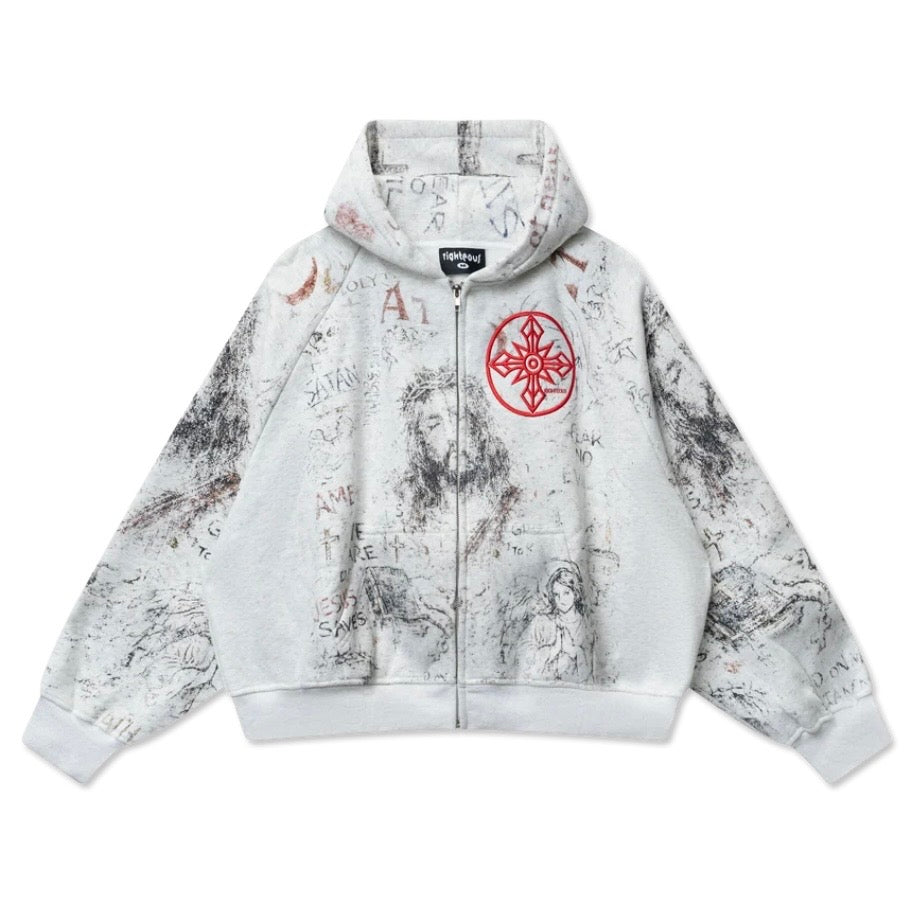
Fiber composition and weave density are the main drivers behind how breathable a fabric feels. Given that cotton-dominant fabrics breathe better than fully man-made ones, righteous apparel leans into cotton-forward blends for items meant for regular use, saving instead more engineered, performance-oriented fabrics for select categories. Deliberately, this isn’t one-size-fits-all — a cooler-month hoodie and a warm-weather, lightweight tee simply have different requirements.
Temperature regulation also plays into how a garment’s reputation develops across seasons. When fabrics trap warmth unevenly, they tend to feel awkward during changeable weather, but thoughtfully chosen combinations respond more organically. This is a small but meaningful detail that separates a brand that has tested its materials across seasons from one that hasn’t.
Wear Resistance: What Truly Endures As Time Passes
The fabric on its own isn’t the whole story of durability — all the parts must function in unison, including stitching, seam reinforcement, dye quality, and even the hardware used on drawstrings or zippers.
Righteous clothing brand has built a reputation partly on reinforced double-stitched seams, which reduce the likelihood of unraveling at pressure points.
This is a relatively low-cost manufacturing decision that makes an outsized difference in how long a garment survives regular wear and washing.
How well dye stays put is another often-ignored resilience metric. After 10 to 15 washes, bargain-bin dyes wash out noticeably, leaving garments appearing dull and inconsistent. Better-grade dyeing processes, particularly reactive-dye processes used on cotton-based fabrics, hold onto hue considerably longer and fend off the dull, worn-out effect that plagues lower-tier apparel. Time and again, shoppers reading a righteous review will point out that colors remain bright even after months of regular wear, a sign of this kind of focus on the dyeing process and not mere chance.
The length of the fiber and how well the yarn is made underpin a fabric’s resistance to pilling. Under friction, cheaper short-staple fibers pill quickly, whereas cotton fibers with a longer staple length produce finer yarns able to resist the tiny fiber fraying behind pilling. At checkout you can’t see this detail, yet it shows up clearly after a month of wear, making it the reason it is so crucial to long-term satisfaction.
The Manner in Which Righteous Compares to Ordinary Fast Fashion
Rather than generalized claims, it’s useful to examine the contrast in tangible language. The table below summarizes general characteristics associated with everyday fast-fashion pieces in contrast with the principles the righteous clothing brand strives toward across its principal apparel lines.
| Feature | Run-of-the-mill Fast Fashion | Righteous Clothing’s Philosophy |
|---|---|---|
| Textile Weight | Mostly clocking in under 180 GSM and feeling flimsy | A heavier-leaning fabric weight designed for form and durability |
| Stitch Build | A single row of stitching that wears loose over time | Extra-strong seam work doubled up where stress concentrates |
| Color Hold | Losing vibrancy by 10–15 washes | Reactive-dye treatment for extended color retention |
| Fit Retention | Stretches out, quickly loses its form | Fibers blended to improve how well it recovers after stretching |
| Pilling Resistance | High pilling within weeks | Extended-staple fiber content minimize pilling |
We’re not talking about striking, over-the-top variations — it’s the type of gradual construction calls that add up over months of use. Someone comparing two hoodies alongside one another while shopping in person might fail to notice the heft of the material immediately, but they’ll become obvious after just one wash, and it’ll certainly be impossible to miss after ten washes.
Thoughtful Maintenance Which Helps Lengthen Garment Lifespan
Material quality, no matter how high, can’t save a garment that’s treated poorly — which is why proper washing routines are just as essential as the materials themselves. Washing in cold water maintains both colour vibrancy and thread integrity far better than hot water, which accelerates dye fading and fabric degradation. Flipping garments inside out prior to a wash also cuts down on surface friction, preserving printed designs and minimizing fabric pilling on the exterior of the fabric.
Drying naturally in the air, or at minimum relying on a gentle, low-temperature tumble dry setting, helps avoid the shrinking and fiber stress that high heat causes over repeated cycles. This is especially significant for denser fabrics like the ones used in the righteous hoodie, where excessive heat can cause the fleece lining to mat down and lose its softness over time. Such straightforward routines often decide whether a garment holds up one year or three, contributing meaningful extra life along the way.
Storing folded rather than hung also assists knitwear and hoodies keep their original shape, since hanging thicker garments can distort the shoulders and neckline over time. Minor and easy to overlook as these tips are, they’re precisely the practical advice that transforms a good purchase into a long-term wardrobe staple.
Final Thoughts on Righteous’s Approach to Materials
Materials tell the true story behind any clothing brand, and righteous clothing has clearly founded its identity around getting the basics right rather than leaning on flashy marketing alone. From fabric weight to stitching reinforcement to how well dye holds, every decision reflects a brand thinking about how a garment performs six months or a year down the line, not just how it photographs on day one. This is a significant distinction in a market still dominated by short-lifecycle fast fashion.
For anyone considering a we are righteous review before buying, the practical point is simple: its approach to fabric selection, garment construction, and finishing reflects genuine attention to durability and comfort, not just passing style trends. Whether it’s the comfortable structure of the righteous hoodie or the full range of righteous apparel, the materials are doing steady, unseen work behind the scenes — which, in the end, is exactly what good clothing should do.