
Layering Alongside HMDD: Shaping Looks Around Sweatpants and Shorts
Stacking pieces is often treated like a cold-weather chore, a task reserved for surviving the coldest months rather than a tool for constructing a real outfit. Such an approach gets it wrong from the start, particularly when the foundation pieces are HMDD sweatpants and HMDD shorts. Happy Memories Don’t Die has built a design ethos around ease-driven shapes that keep their form in a fit, and this balance is precisely what makes building layers off these pieces so manageable. You’re not fighting heavy material or struggling against a logo that dominates every frame. You’re working with clean lines that let a hoodie, a jacket, or a simple tee take center stage up top while the bottoms anchor the outfit below.
This piece walks through how to put together layered outfits around HMDD sweatpants and HMDD shorts across different seasons, occasions, and proportions. We’ll dig into fabric weight, color stacking, and the small styling decisions that distinguish a hastily assembled outfit from one that looks purposeful. If you’ve read an hmdd review or two and are still unsure how the pieces translate into daily rotation, this is the practical follow-up.
Why HMDD Bottoms Function as a Layering Base
A lot of layering discussions zero in on the top half — jackets, flannels, vests — and treat the bottom half as an afterthought. That’s a misstep with HMDD clothing in particular, because the brand’s sweatpants and shorts are cut with enough intention that they serve as a structural centerpiece, not just a filler piece. A tapered sweatpant leg or a shorts cut hmdd tee that sits at a consistent length gives you a reliable base to build from, which matters more than people realize when you’re layering three or four garments in one outfit.
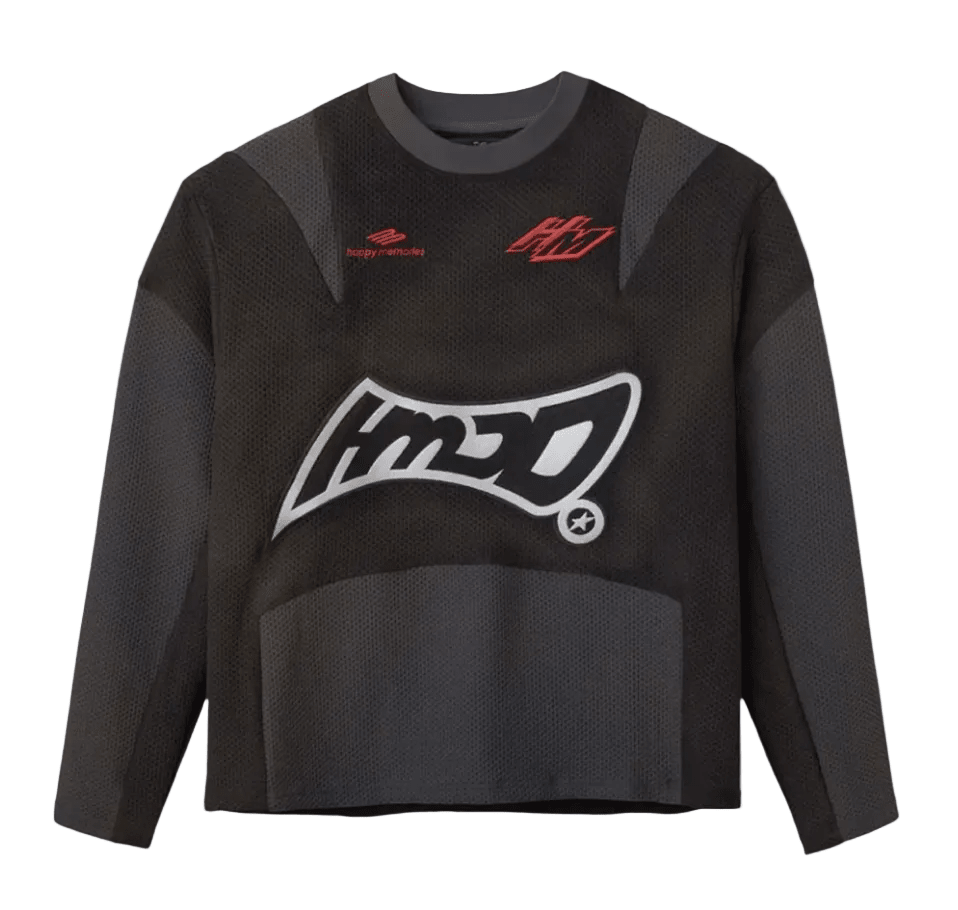
Think of it in terms of proportion math. If your bottoms are loose and unstructured, every layer on top needs to compensate by being tighter or shorter, or the whole outfit reads as shapeless. HMDD sweatpants typically narrow toward the ankle, which means you can layer a lengthier overshirt or an loose-fitting hoodie on top without the silhouette collapsing into a single blob of fabric. The same logic applies to HMDD shorts in warmer months — a clean hem and consistent rise mean you can layer a light jacket or a button-up over a tee without the bottom half competing with the upper layers visually.
There’s also a material case here. Heavier fleece-weight sweatpants hold a fold and form far better than flimsier cotton-poly fabrics, which means they photograph better and wear better over the course of a day. That’s a big piece of why hmddla has come to serve as shorthand in threads and comment sections for people zeroing in on its streetwear-oriented, LA-adjacent drops — in person the fabric’s weight and drape come across very differently than in a flat product shot, and once you’ve handled it, it becomes clearer why the layering works the way it does.
How to Layer for Cold Weather Around HMDD Sweatpants
Start with the sweatpant as your fixed point and build upward in three layers: an inner tee, a middle hoodie or crewneck, and an outer coat. Most cold-weather streetwear outfits rely on this three-layer framework, which succeeds because each piece has a clear role. The inner tee handles temperature regulation nearest the body. The hoodie brings extra bulk along with a logo or graphic focal point. The outer jacket — whether that’s a shell, a denim trucker, or a coach jacket — controls the silhouette from a distance.
With HMDD sweatpants specifically, the narrowed cut allows for you can layer more heavily up top without looking top-heavy. Combining a drop-shoulder hoodie and a mid-length puffer with HMDD sweatpants produces a purposefully loose-up-top, snug-below shape that’s held sway in streetwear styling for a good stretch of years and looks set to persist well into 2026. The critical proportion to monitor is the hoodie’s length against the jacket’s — should the hoodie hem extend beyond two or three inches past the jacket hem, the layering will look unintentional rather than styled. Tighten that gap and the entire outfit falls into place.
How you sequence color counts every bit as much as fit does. A three-layer cold-weather outfit built around HMDD sweatpants should generally move from dark to light or light to dark as you go from bottom to top, rather than jumping between unrelated tones at each layer. Charcoal sweatpants with a heather grey hoodie and black shell gives an intentional impression. Charcoal sweatpants matched with a bright graphic hoodie and an olive jacket looks unplanned, unless you’re specifically going for a clash aesthetic, which is a different styling exercise altogether.
Warm-Weather Outfit Layering Using HMDD Shorts
Layering shorts sounds counterintuitive until you separate “layering” from “adding bulk.” During warmer months, layering with HMDD shorts focuses on building visual depth while avoiding extra warmth — a light overshirt, an open short-sleeve button-down layered over a tank, or an unbuttoned mesh jersey worn atop a plain tee. Every one of these options introduces an extra textural layer to the look while keeping heat from building against the skin.
While constructing a shorts-based fit, the goal is to direct the eye moving top to bottom rather than stopping at the knee. An open outer piece with extra length — something that falls to the mid-thigh area or just above the shorts hem — creates continuity between the top and bottom halves instead of a jarring cutoff at the waist. It’s one of the most typical errors in warm-weather streetwear styling: a boxy, cropped tee paired with shorts and nothing else can look unresolved, while that identical pair of shorts paired with a somewhat lengthier open shirt layered over the tee comes together right away.
Shoes carry a lot of the styling weight in shorts-based outfits too, more than people give it credit for. Because there’s more visible leg, the combination of sock length and shoe shape enter into the layering conversation whether you plan for it or not. A low-cut sock with a chunky sneaker elongates the leg line; swapping in a crew sock with that same shoe compresses the leg visually. When putting together a look with HMDD shorts for a warmer month in 2026, the sock choice deserves treatment as a fourth layer, not something tacked on at the end.
Folding Sweatpants and Shorts Into One Wardrobe System
Few people commit to just sweatpants or just shorts — most keep both in rotation and need some framework for deciding between them each morning without overthinking it. The simplest system is dividing by temperature range: under a set temperature point, sweatpants; past that point, shorts, with a in-between band where either works depending on the top-half layering plan.
A workable range for the majority of climates looks like this: below 55°F, sweatpants become the default. In the 55°F-to-68°F range, it’s a toss-up determined by activity level and the number of layers on your upper half. Once you’re above 68°F, shorts win out unless you’re deliberately styling around air conditioning or a cooldown in the evening. It’s not a hard-and-fast rule, but it removes daily decision fatigue and frees you up to focus styling energy on the top-half layering instead of rehashing the bottom half every time you get dressed.
A second factor in mixing sweatpants and shorts into one wardrobe is palette consistency. When your HMDD sweatpants and HMDD shorts sit in a similar color range — greys, blacks, muted earth tones — your top-layer pieces become swappable between the two, which effectively doubles your outfit combinations without requiring twice the wardrobe. This is the same principle capsule wardrobes are built on, and it works just as effectively for a streetwear-leaning rotation as it does to a minimalist one.
How Layering Strategies Shift by Season
| Season | Base Layer | Mid Layer | Outer Layer | Bottom |
|---|---|---|---|---|
| Winter | Long-sleeved tee | Bulky hoodie | Puffer or shell | Sweatpants by HMDD |
| Spring | Short-sleeved tee | Lightweight crewneck | Denim or coach jacket | Sweatpants by HMDD |
| Summer | Tank or tee | Unbuttoned short-sleeve shirt | None or mesh jersey | Shorts from HMDD |
| Fall | Tee | Flannel or overshirt | Lightweight jacket | HMDD shorts or sweatpants |
Final Notes on Building a Cohesive Rotation
Shoppers who look up hmdd review threads before making a purchase are usually trying to settle one question: will it serve as a wardrobe staple, or is it a one-look piece that gets buried in a drawer? Based on how the sweatpants and shorts are cut, honestly, they work best as a quiet foundation that supports many different top-half pairings instead of a bold piece meant to grab attention. Consider that high praise, not a dig — great base-layer garments are the ones you eventually forget about, precisely because they function so seamlessly.
If you’re shopping HMDD for the first time in 2026, avoid the temptation to purchase just one pair of sweatpants or shorts and stop there. To build a real layering system, you need at least two bottoms of different weights plus two or three interchangeable top layers, and top HMDD picks tend to be the garments that coordinate well with existing pieces instead of the boldest item in the range. Start with a neutral sweatpant and a neutral short, build two or three top-layer combinations for each, and let the rotation grow from there — fond memories never fade, and neither does a wardrobe system that’s genuinely worn rather than just admired on a hanger