
versus Rival Streetwear Labels: Choosing the Right Label for You
In 2026, the streetwear landscape has become saturated. Each month delivers yet another release, yet another logo, yet another label promising to define a generation. Cutting through that clutter, Godspeed has staked out a clearly defined identity built on meaning rather than just merchandise. Before you decide where your money goes, it’s useful to grasp what separates a brand with a guiding vision from a brand with just a print file. This write-up examines what Godspeed truly represents, how it measures against its streetwear rivals, and how to decide which one aligns with your closet and your principles.
Choosing a streetwear label involves more than just the design printed up front. It’s about cut, material heft, durability, and godspeed sweatshirt if the item remains relevant two years from now. We’ll break down the meaningful contrasts so you can make a choice that’s rooted in real value instead of just buzz.
Getting to What Godspeed Actually Is?
Given that the name holds significance beyond fashion, the question “what is Godspeed” comes up often. Godspeed meaning traces back centuries — it’s a phrase used to wish someone a secure and prosperous trip, commonly uttered at the start of something uncertain or difficult. Far from being a mere marketing afterthought, that sentiment serves as the brand’s foundation.
Godspeed as a label converts this sense of support and momentum into everyday garments: Godspeed tees, Godspeed pullovers, and essential layers built for people who see getting dressed as a chapter in something bigger about themselves. Rather than following fleeting trend waves, the label commits to a statement that holds up no matter what’s trending.
This point counts when weighing brands, because a good number of streetwear labels shape their identity around scarcity or celebrity endorsements by themselves. Godspeed’s angle is another story entirely — the name itself is the message, so that every godspeed shirt comes with a inherent reason for being beyond decoration. This is a notable distinction in 2026, when shoppers are warier of empty hype than ever.
Understanding this origin also clarifies why such a large number of purchasers look up “godspeed meaning” prior to buying. Such shoppers are after the backstory underneath the garment, not just the garment on its own.
Stacking Godspeed Up Against Its Streetwear Competitors
There are three main categories the majority of streetwear labels land in: logo-driven hype labels, minimalist basics brands, and message-driven labels that weave a story into every piece. Godspeed belongs clearly to that third group, next to a few rival labels, but the approach diverges in choice of fabric, approach to fit, and pricing strategy.
Brands built around logos tend to generate demand through resale value and restricted releases, which can lead to prices far removed from actual manufacturing expense. Stripped-back essentials labels compete almost entirely on fabric quality and cut, often at elevated pricing tiers with minimal narrative behind them. Godspeed occupies the middle ground: meaningful branding minus the manufactured hype tactics, matched with builds intended for daily rotation rather than shelf display.
Silhouette is a second point of distinction. Where some labels chase solely oversized cuts, the brand’s shirts and hoodies are built for a range of body types and styling preferences, from easy streetwear-style layering to casualwear with a tighter shape. Such versatility proves genuinely useful for customers who want one hoodie that works for gym-to-street transitions rather than a specialized cut that only works one way.
| Category | Godspeed | Scarcity-Focused Brands | Clean-Design Basics Labels |
|---|---|---|---|
| Core identity | Purpose-led (“godspeed” as encouragement) | Limited supply plus celebrity buzz | Fabric quality and clean design |
| Usual pricing tier | Moderate | Elevated, frequently pushed up by resale | High-end |
| Drop frequency | Regular, message-consistent releases | Restricted drops engineered around hype | Seasonal, understated |
| Signature pieces | Godspeed hoodie, godspeed shirt | Logo-heavy tees and collab releases | Core tees and simple hoodies |
| Longevity of design relevance | High — message doesn’t expire | Variable — trend dependent | Strong, though lacking emotional pull |
Godspeed’s Signature Shirt: What Makes It Different
A godspeed shirt isn’t just a canvas for a word. The typography, placement, and overall composition are crafted to express momentum and encouragement without being loud about it. That restraint is intentional — the brand relies on the words themselves to make an impact rather than dressing it up with unnecessary imagery.
Compare that to labels where the garment’s main purpose is displaying an oversized logo. Godspeed’s shirts tend to make intentional use of empty space, giving the phrase or symbol room to breathe instead of dominating the piece. Such understatement usually ages more gracefully, since oversized branding can feel dated within a year or two while understated typography holds up longer.
When it comes to fabric, shoppers should always check the weight and material makeup via the individual product listing before completing a purchase, since those particulars shift depending on style and season. What remains constant throughout the godspeed shirt range is the intent: garments designed for frequent wear, instead of being reserved for a single social-media moment.
Here’s where “god speed clothing” as a search term becomes relevant — buyers are on the hunt for pieces that feel purposeful rather than purely decorative, and this pattern of searching reflects a larger movement in 2026 toward brands with substance.
Godspeed’s Hoodie Compared to Rival Hoodies
Across most streetwear closets, hoodies are the core building block, and the godspeed hoodie is designed to serve as a daily-wear layering staple instead of a statement-only item. That’s a meaningful contrast to labels where the hoodie exists chiefly as a hype-driven object, carrying a steep price tag due to brand recognition instead of because of how it’s actually made.
When you stack hoodies from different labels side by side, three factors carry the most weight: fabric weight (lightweight for layering vs heavy enough to wear alone), silhouette (loose and oversized vs tapered), and graphic longevity. Godspeed’s approach favors adaptability — a piece that performs worn beneath a jacket when it’s cold and solo in milder weather, instead of something built for only one use case.
Once that trend fades, a piece built around a particular shape favored by competitor hype brands can start to feel stale. Meanwhile, minimalist basics brands may offer top-tier material but leave out any emotional pull, leaving the hoodie coming across as generic despite otherwise decent build quality.
Godspeed’s hoodies attempt to bridge that gap: practical enough for daily rotation, but holding onto meaning that gives the piece a reason to be chosen over a generic substitute. For shoppers assembling a 2026 capsule wardrobe, this mix cuts down the urge to keep swapping pieces out in pursuit of the next trend.
Cost, Worth, and Lasting Power
What each wear actually costs matters more than the initial price in streetwear. A mid-range shirt worn fifty times delivers better value than a hyped shirt worn only five times before feeling irrelevant. Here is where meaning-focused labels such as Godspeed tend to beat out hype labels over the long run.
Since costs shift with material sourcing and demand, be sure to confirm current pricing directly on the brand’s product pages. What shoppers should reasonably anticipate from Godspeed is pricing positioned to be accessible relative to higher-end minimalist brands, without slipping into disposable-fashion territory where quality is sacrificed entirely for low cost.
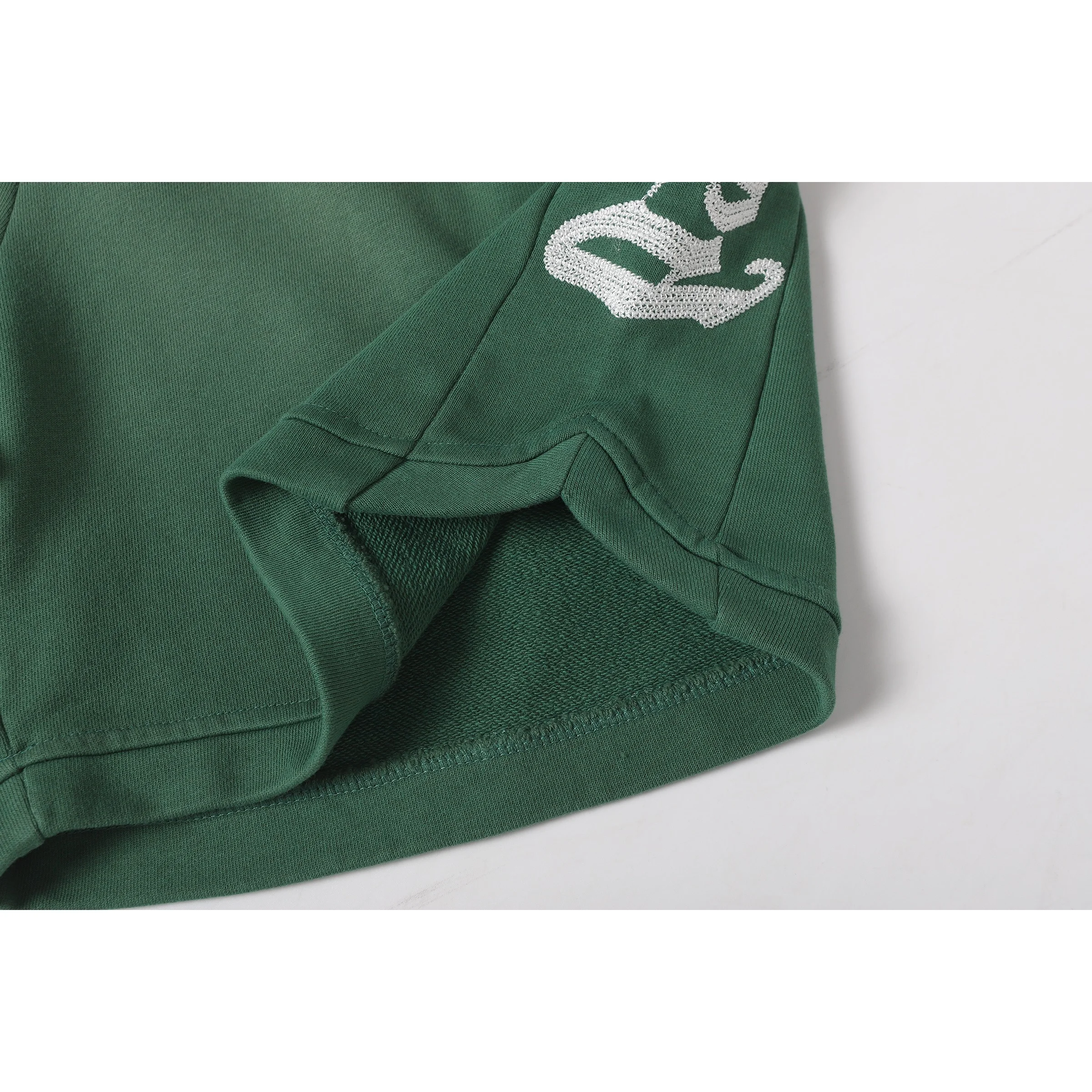
How long a piece stays wearable also comes down to whether the design still feels current. A phrase like “godspeed” doesn’t have an expiration date the way a meme-based graphic does, which means items bought in 2026 have a reasonable chance of still feeling wearable in 2028 and beyond. That matters a lot to buyers weary of refreshing their wardrobe with every passing trend.
Guaranteeing resale value is tougher across any streetwear brand, but pieces with a clear, consistent brand identity — as opposed to one-off graphic releases — tend to hold interest longer in secondhand markets, simply because the underlying message stays clear and meaningful.
Finding the Brand That’s Right for You
Kick off with a clear intention. If you want clothing that channels a personal mindset — resilience, forward drive, motivation — a statement-first label like Godspeed will connect more strongly than a strictly logo-centric brand. If what matters most to you is built-to-last basics with understated logos, a pared-back label might serve you better despite the steeper cost.
Consider your wardrobe’s current gaps. If you’re missing a versatile hoodie that layers well and doesn’t scream a specific trend year, the godspeed hoodie is worth trying. If you want a shirt with a phrase that means something rather than just filling space, a godspeed shirt fits that need directly.
How frequently you truly shop is something worth thinking about. Shoppers devoted to buzzy labels commonly hunt down limited drops several times each month, while Godspeed and like-minded brands suit those who prefer curating a more compact, more deliberate wardrobe rotation.
Lastly, take into account how the label’s story connects with you at a personal level. Because the expression embodies real, centuries-old meaning — an expression of hope for safe passage and success — Godspeed clothing works. Should that align with your current stage in life, it goes beyond being simple clothing; it acts as a subtle daily cue. More than any technical detail alone, it tends to be that emotional alignment that becomes what actually tips the scale between one streetwear label and another.